⏱️Overview
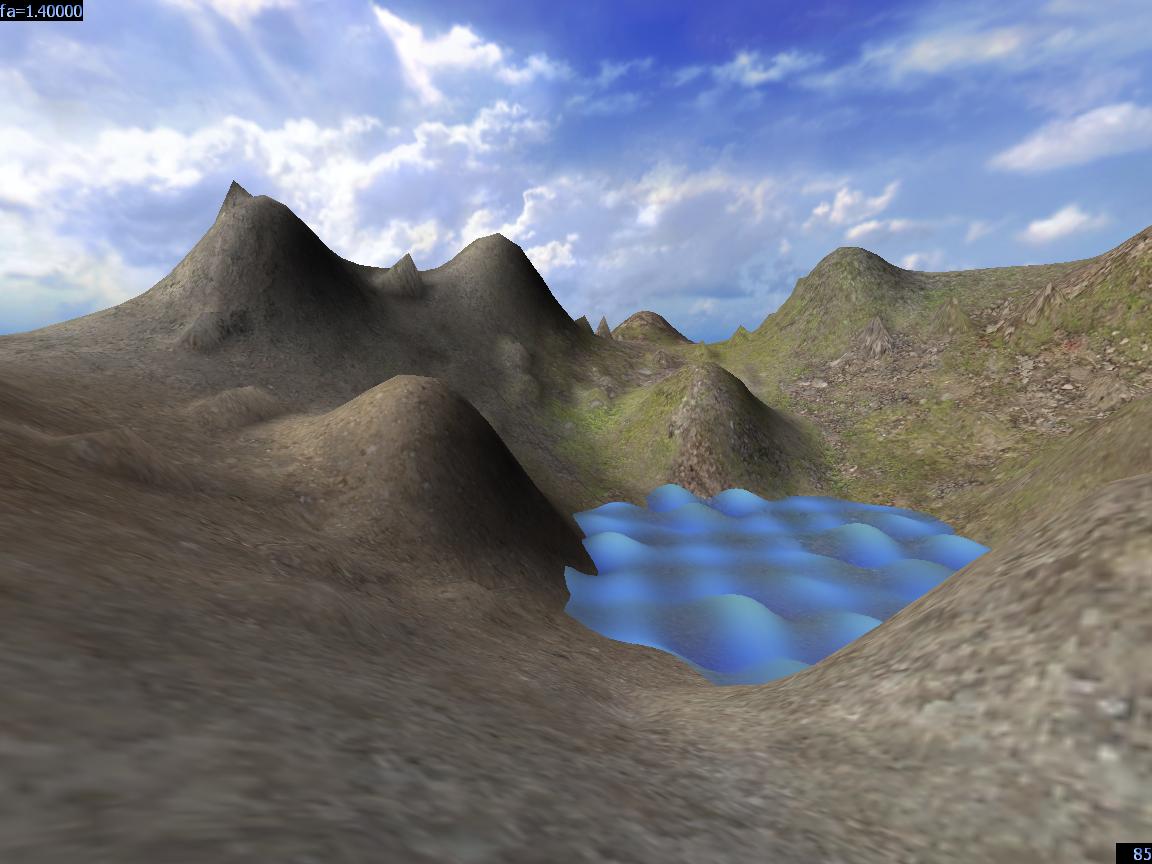
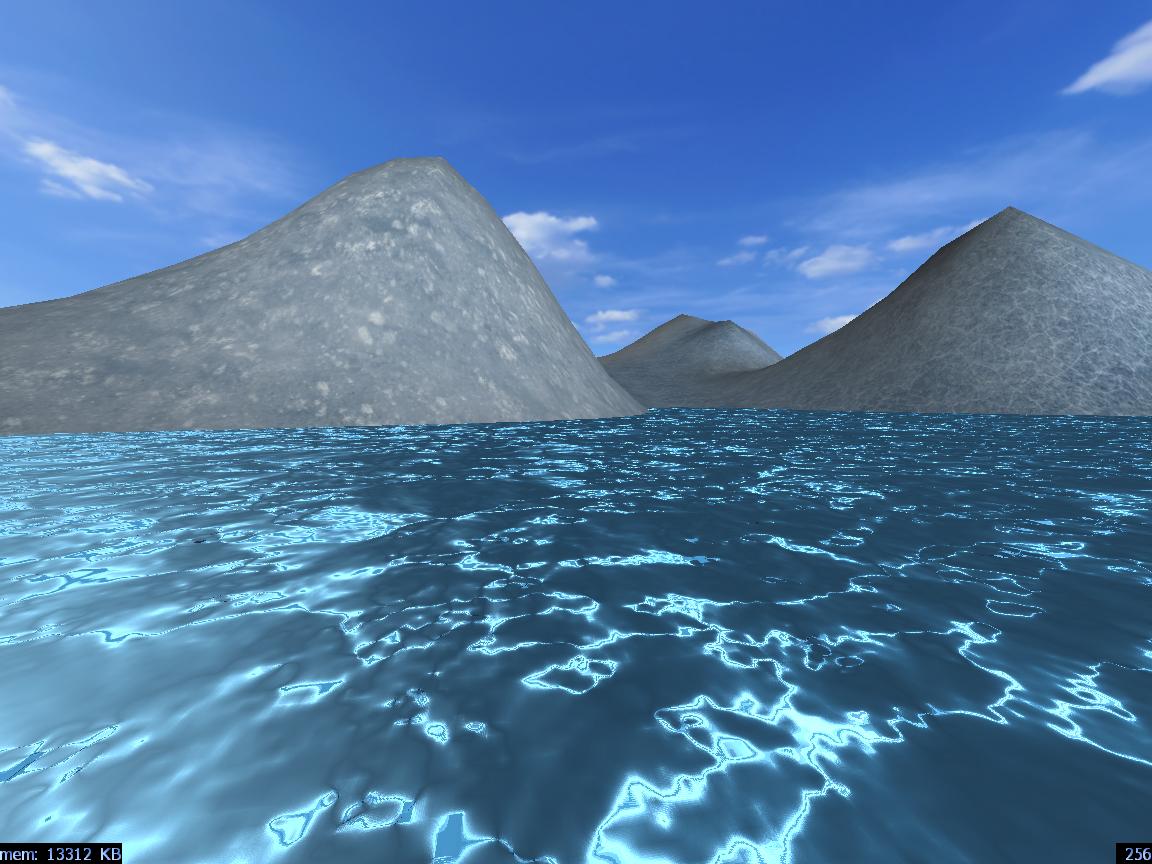
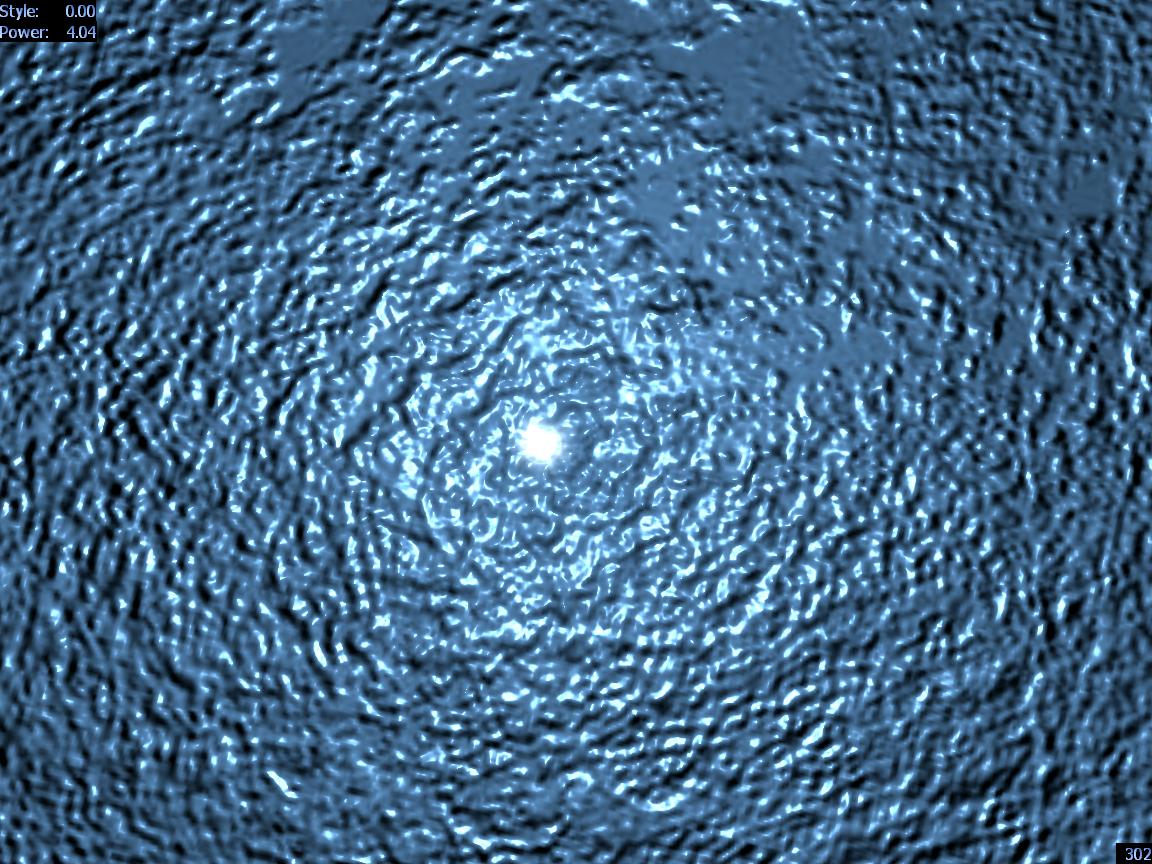
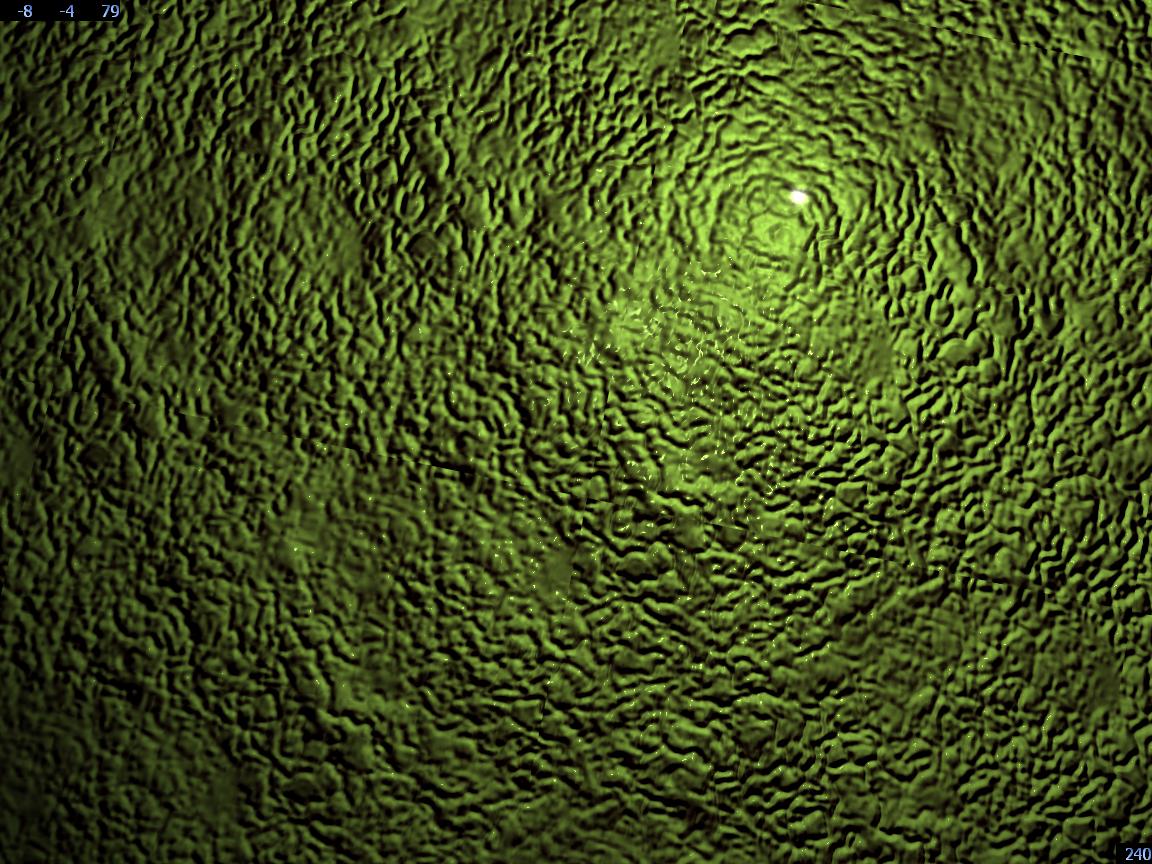
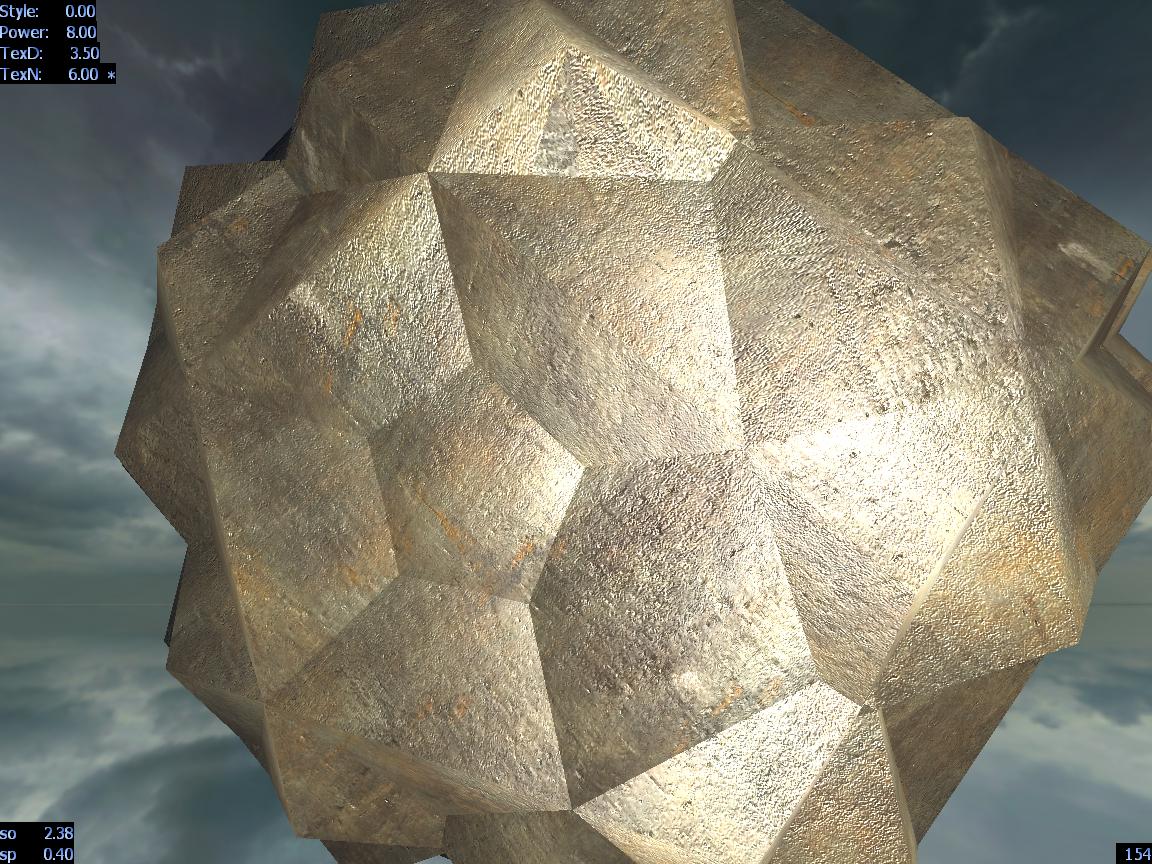
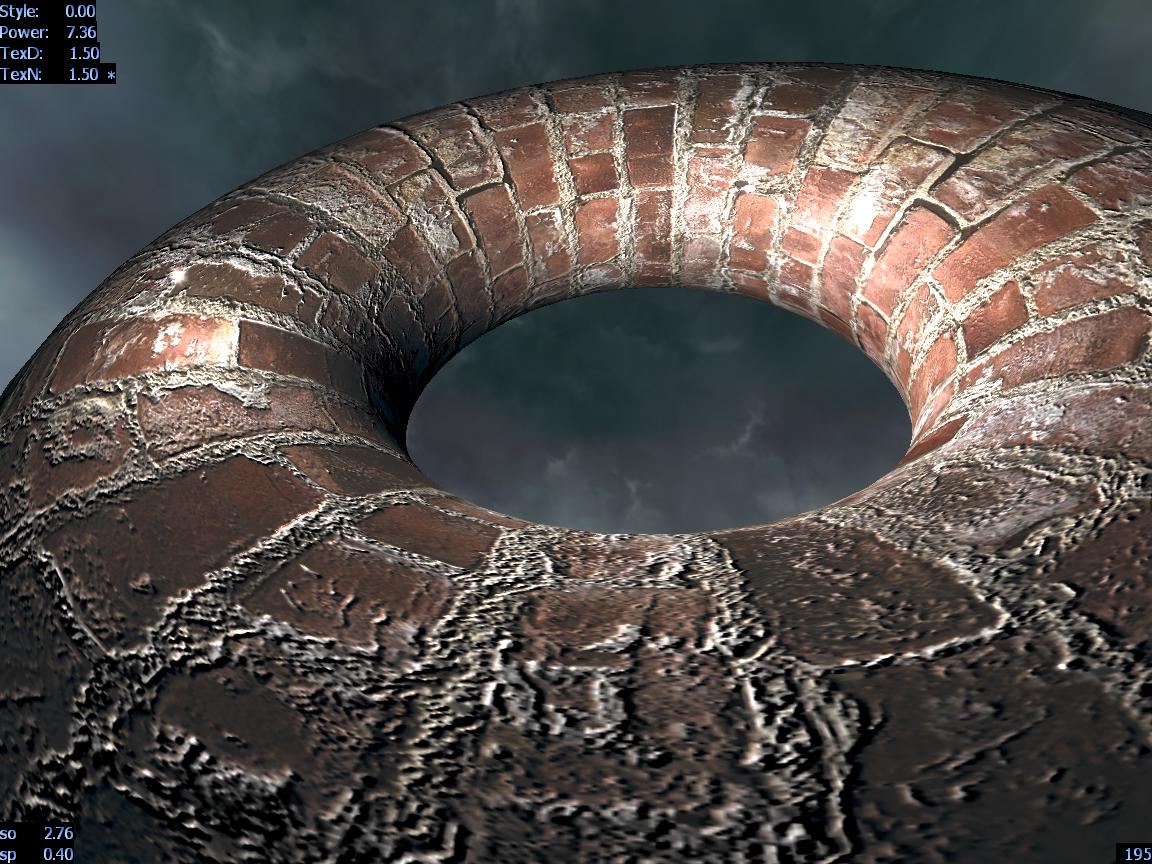
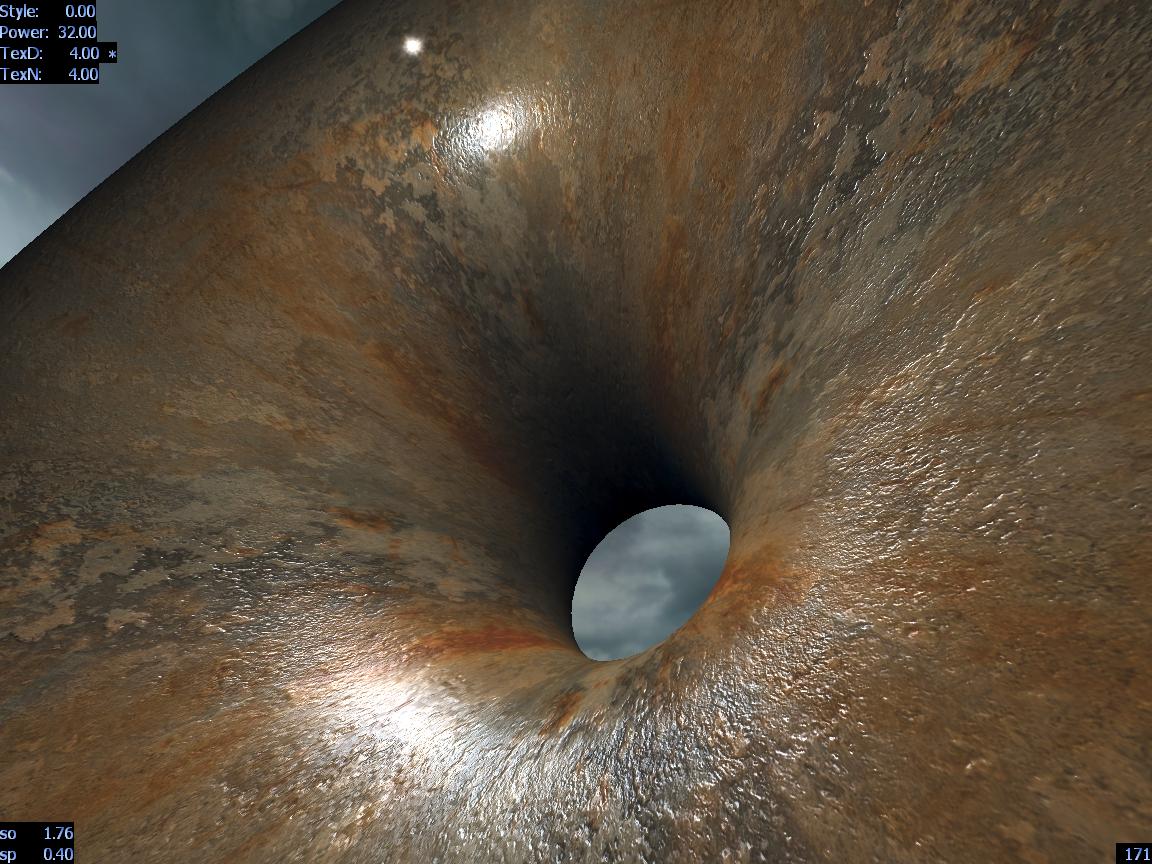
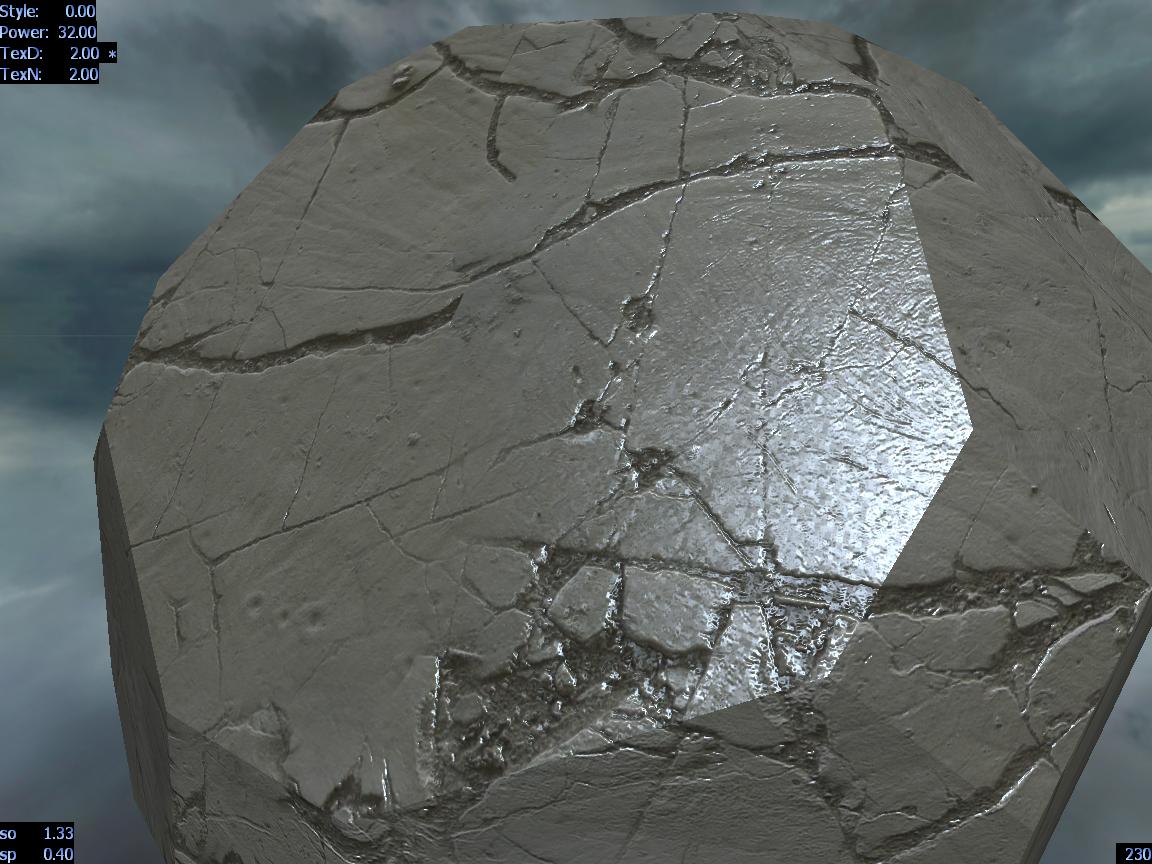
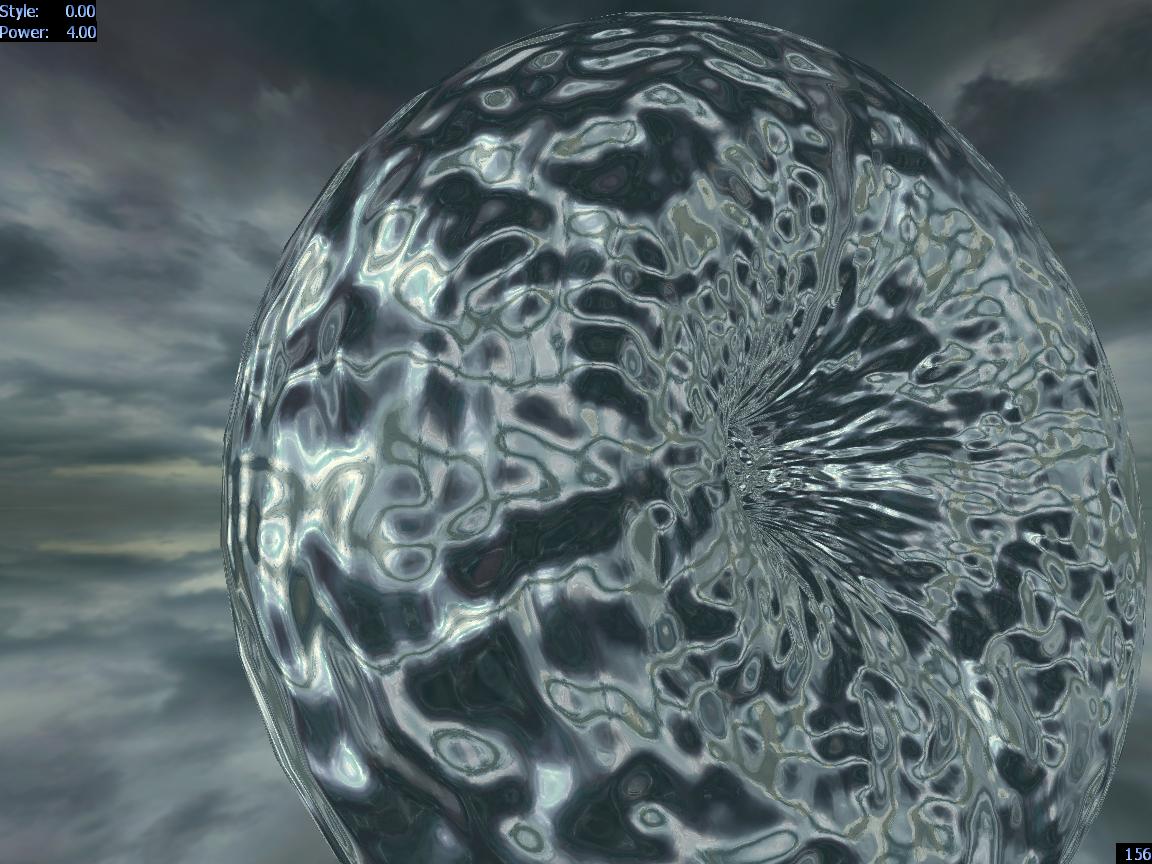
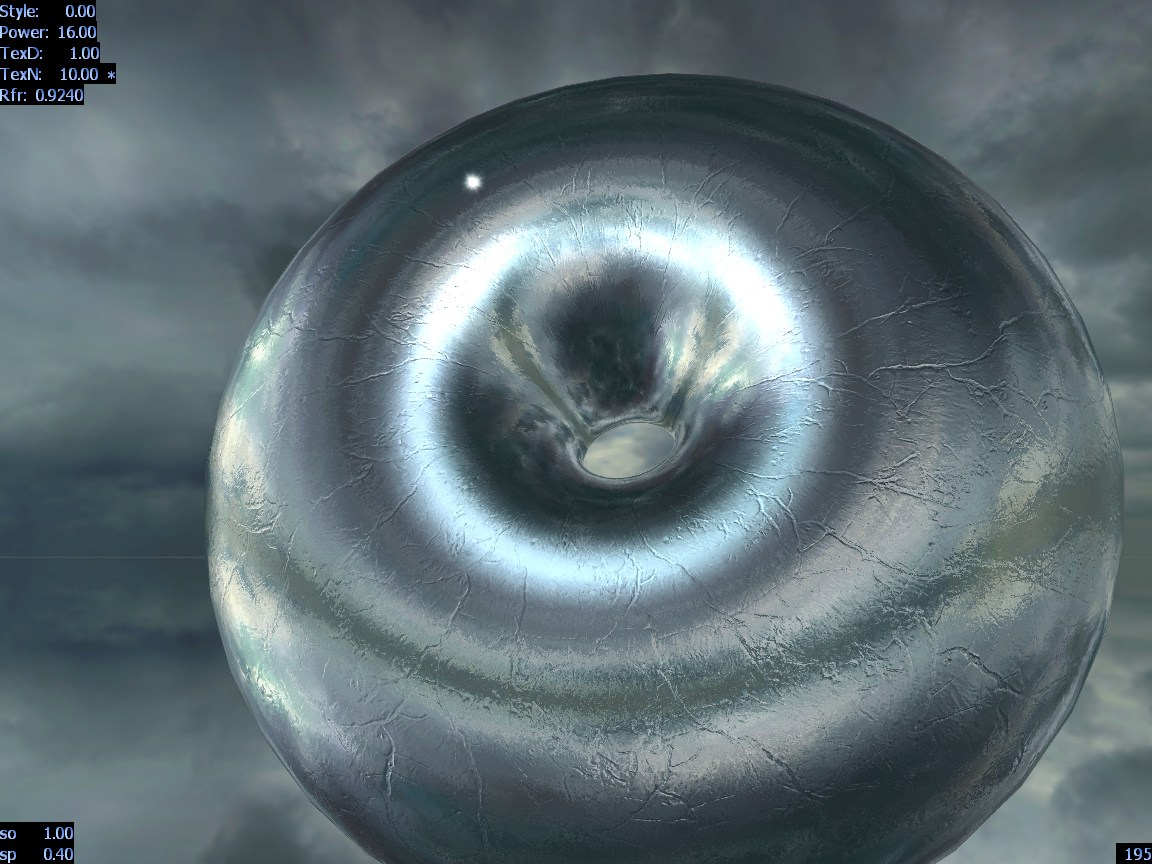
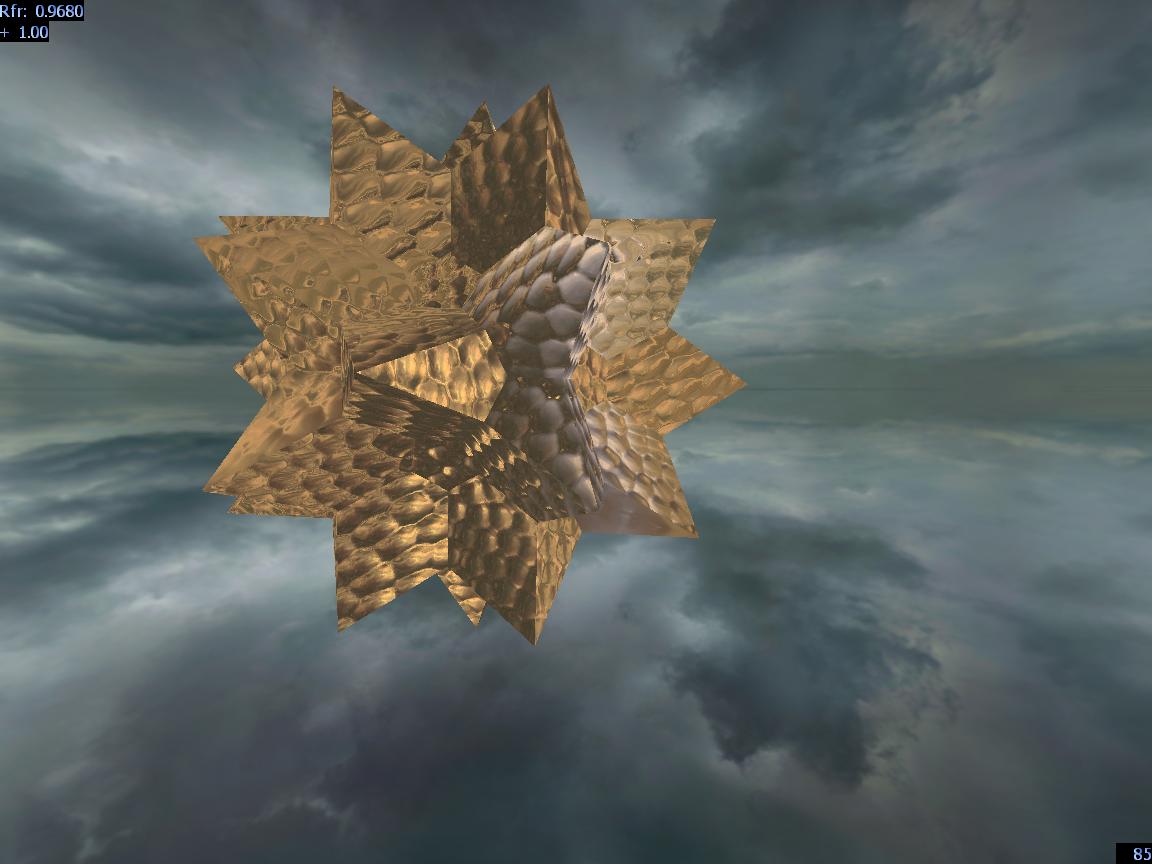
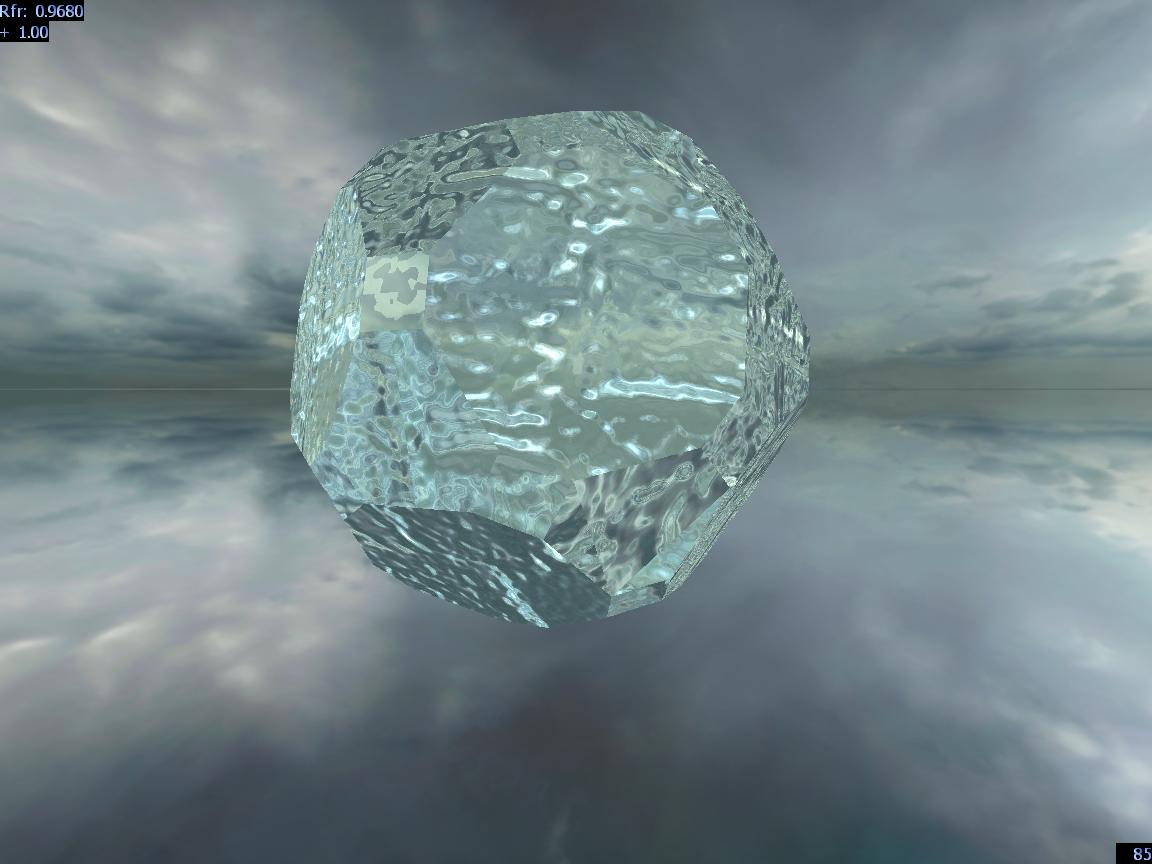
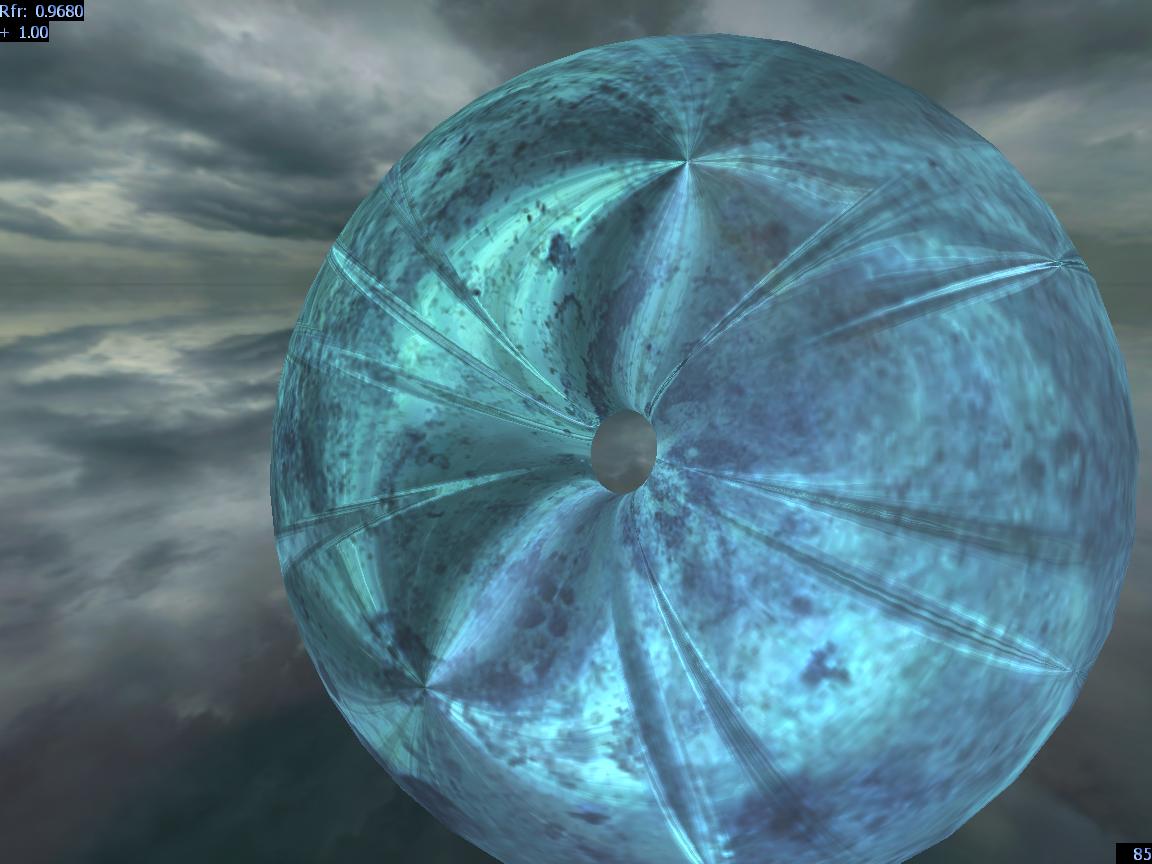
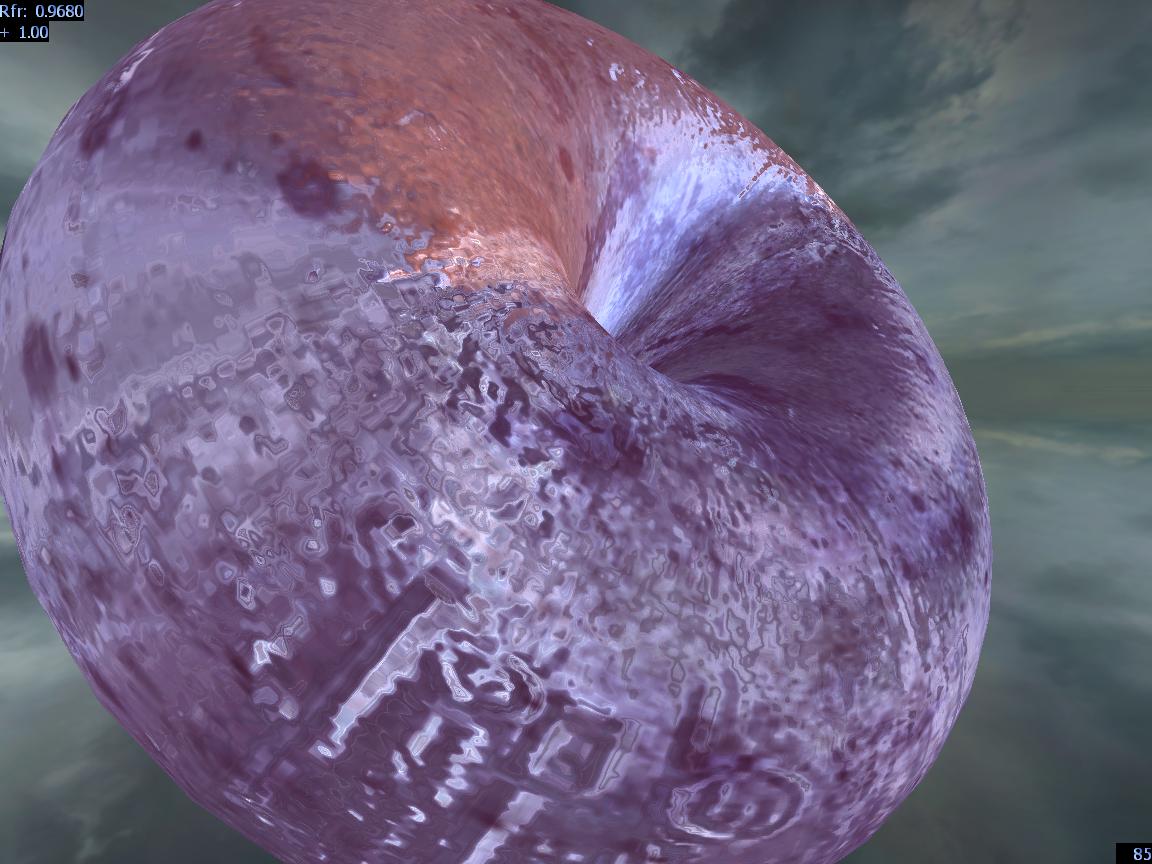
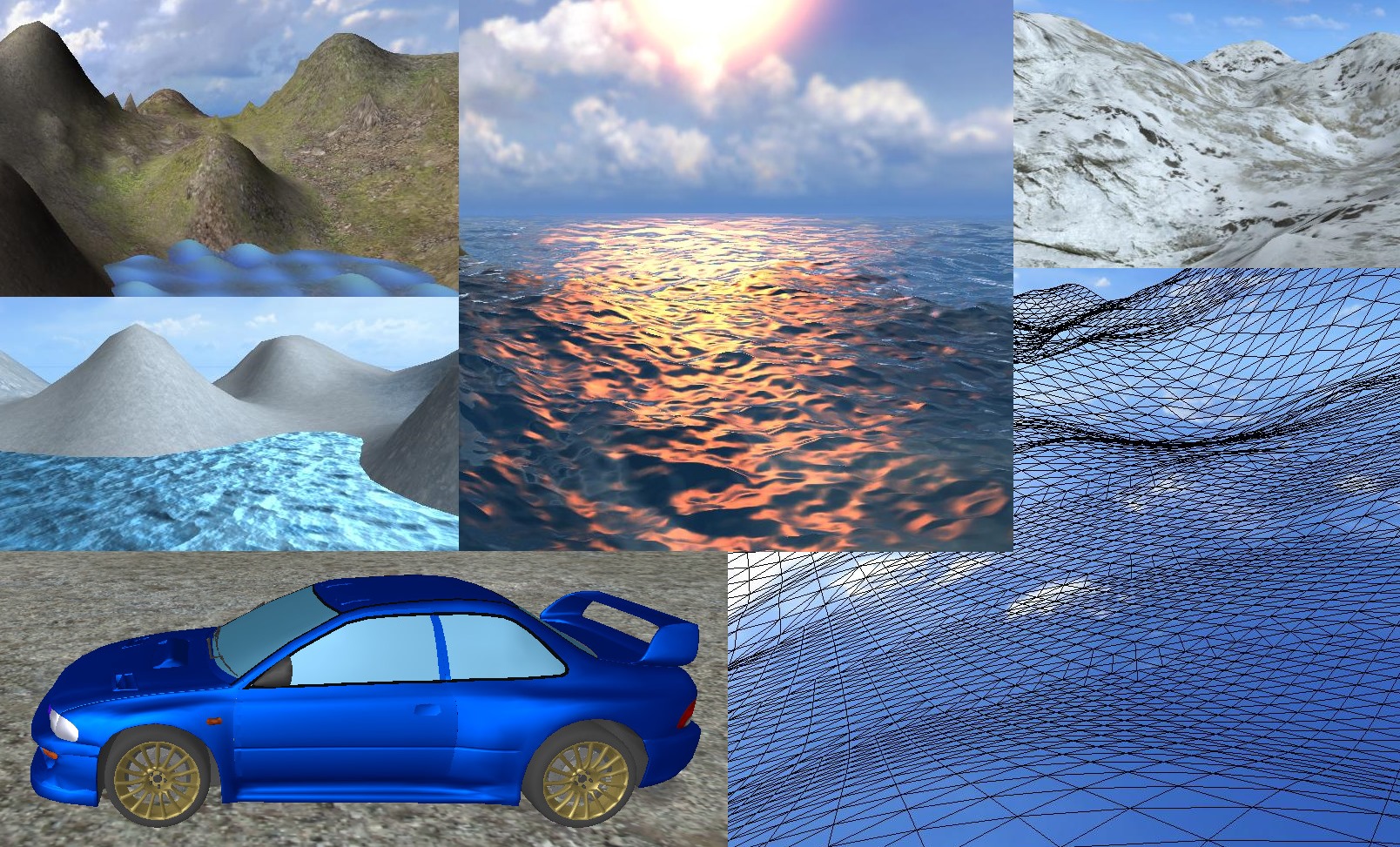
This is a collection of programs written in C++ and using Direct3D9. Only the first one left (with green terrain) was mostly mine. It was also a project on college, for subject: 3D Graphics (I think). I did way above requirements as nobody even knew shaders.
📜History
The first small terrain had a shader for blending (mixing) terrain textures together smoothly. Already found somewhere on internet. This I knew is needed for good looking terrain for start.
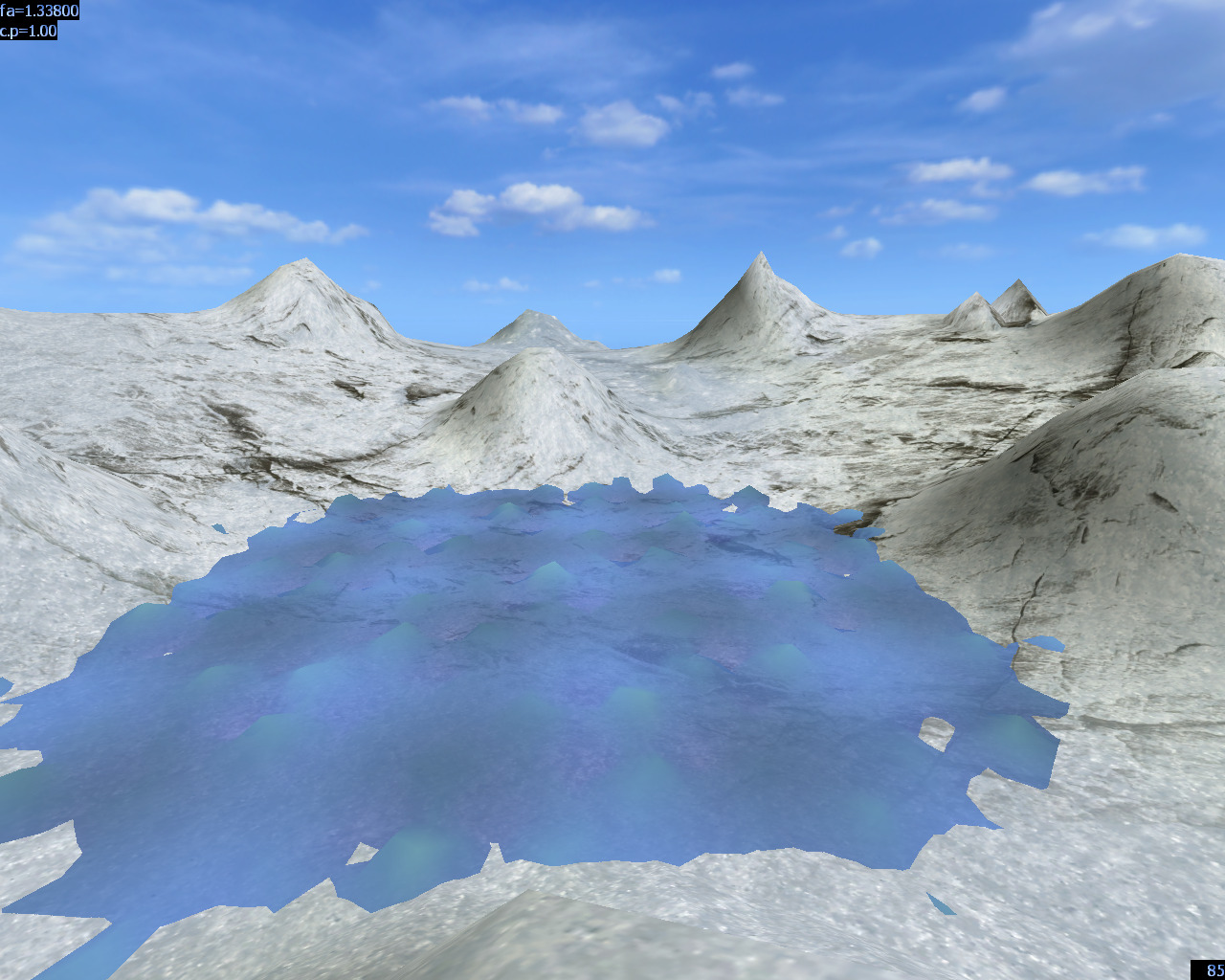
After achieving just a small terrain and a cloth looking, pseudo water I started searching on internet for open source examples (it was likely the first time for me). I managed to build all of them and customize the demo applications. I didn’t put anything together as a game yet (I was missing physics).
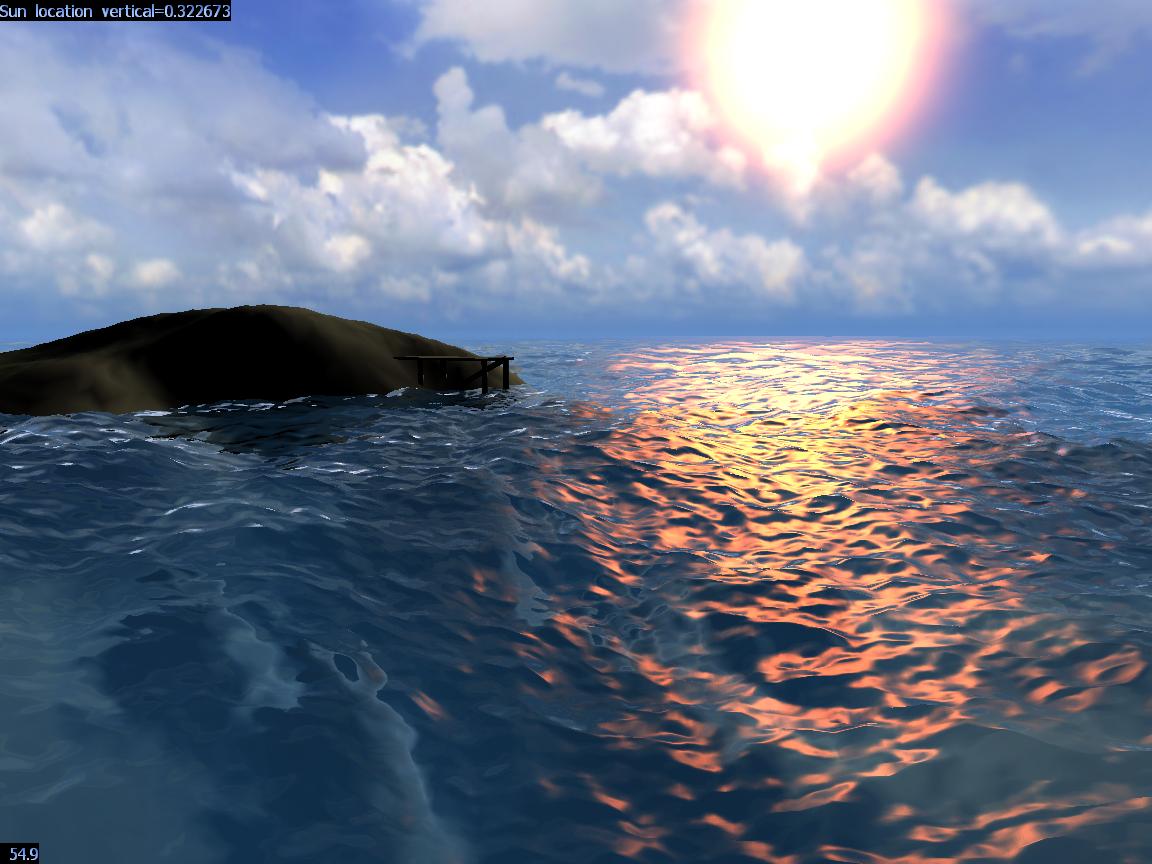
The water in middle was great but very demanding for CPU, which was computing the animated noise and its normals. This is done nowadays on GPU only. Still, it had the best look IMO for years.
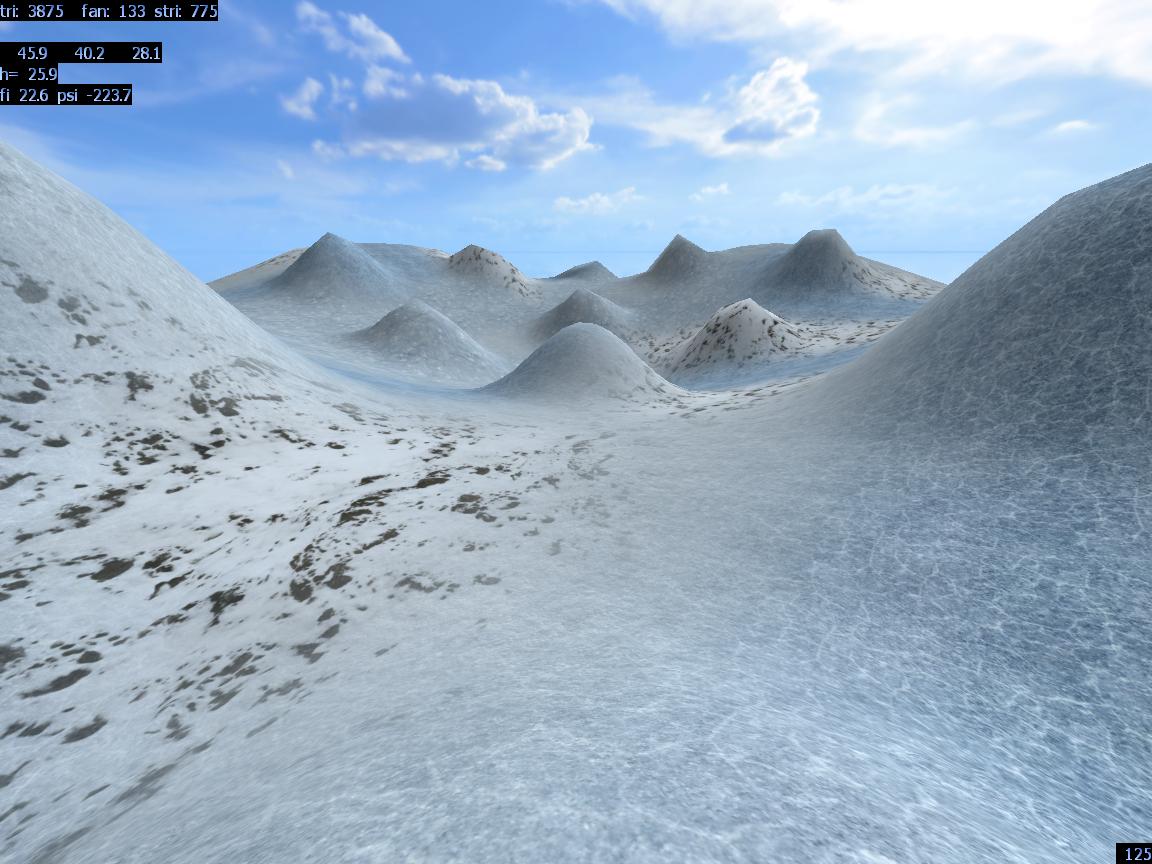
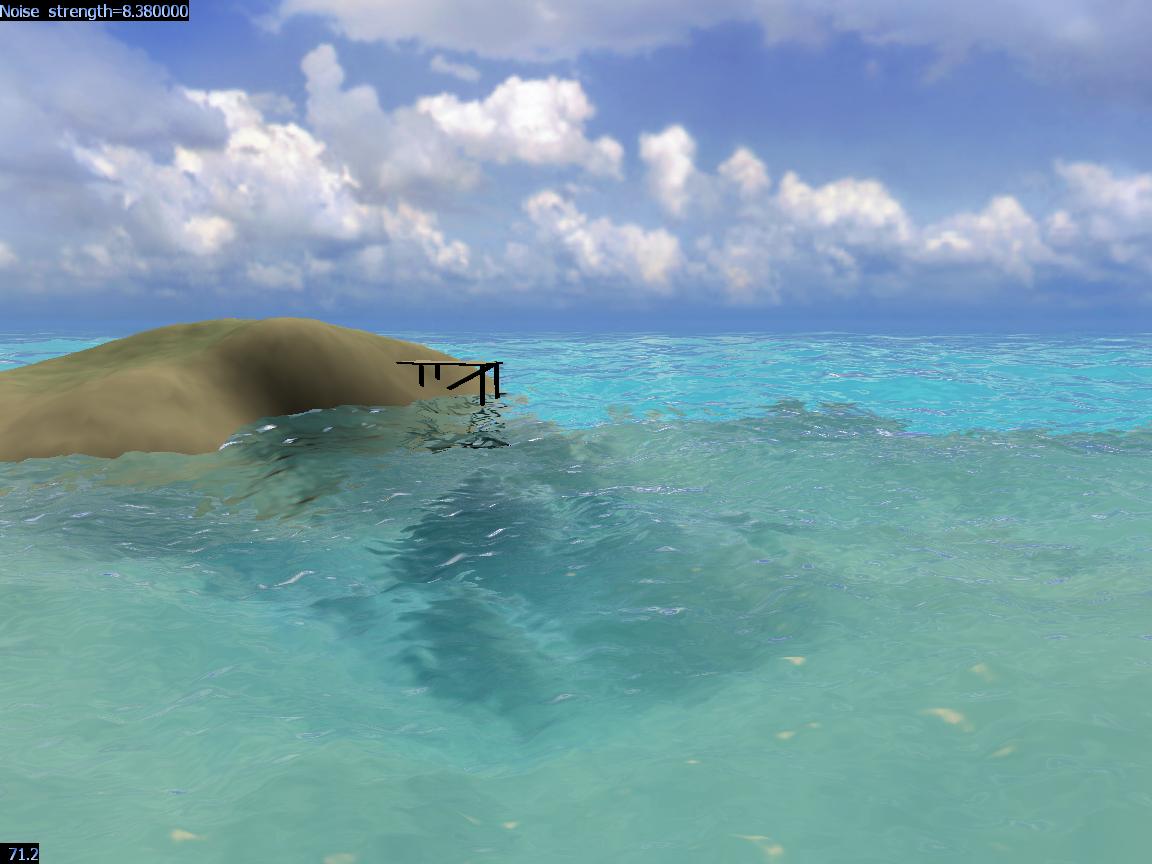
White terrain with water on left, had a great animated noise but was always flat. Originally it also featured reflection and refraction. This always flat water, was still good and we had a similar one in our game years later.
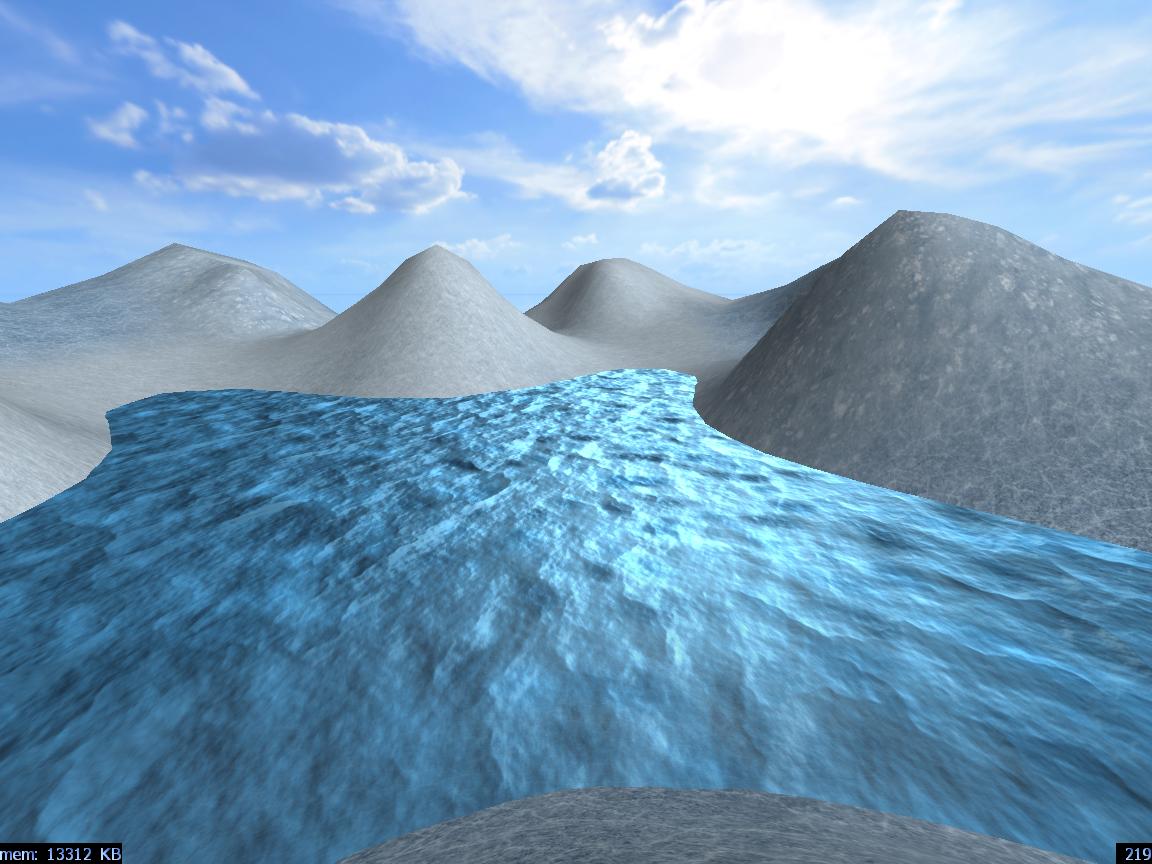
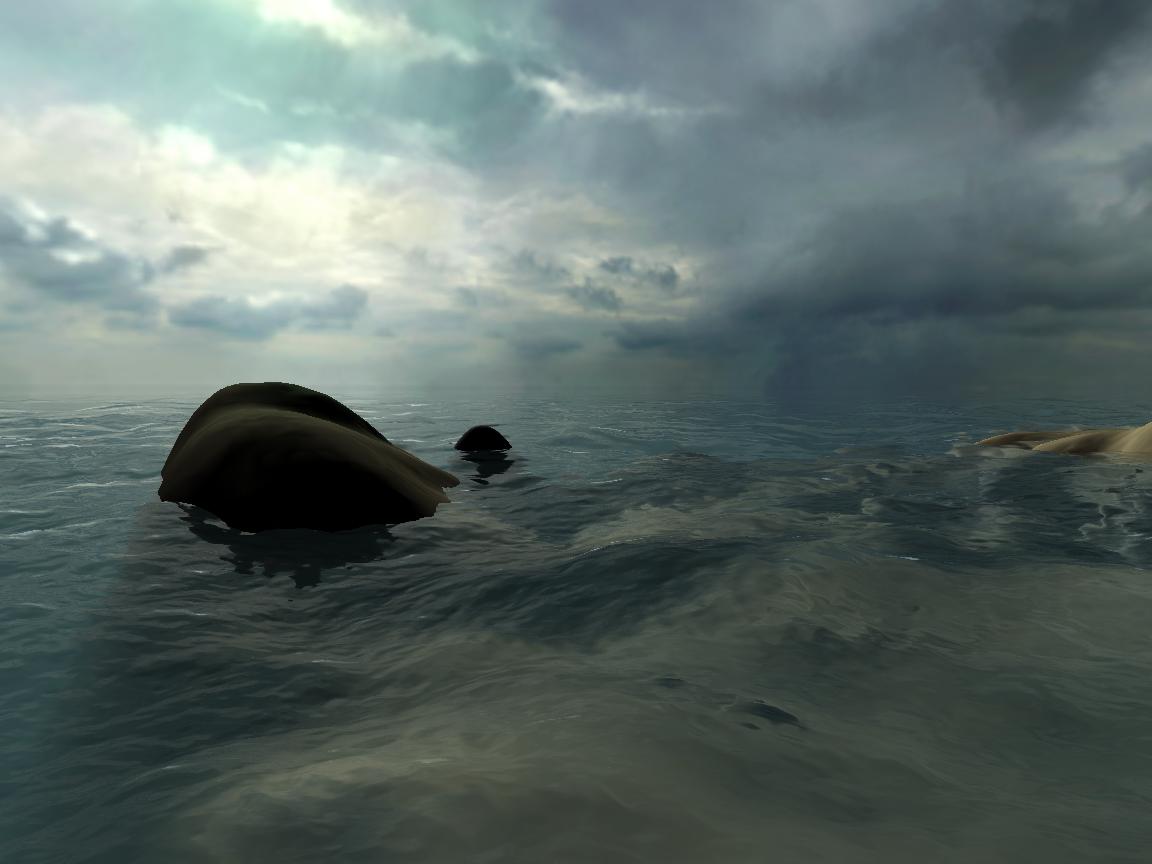
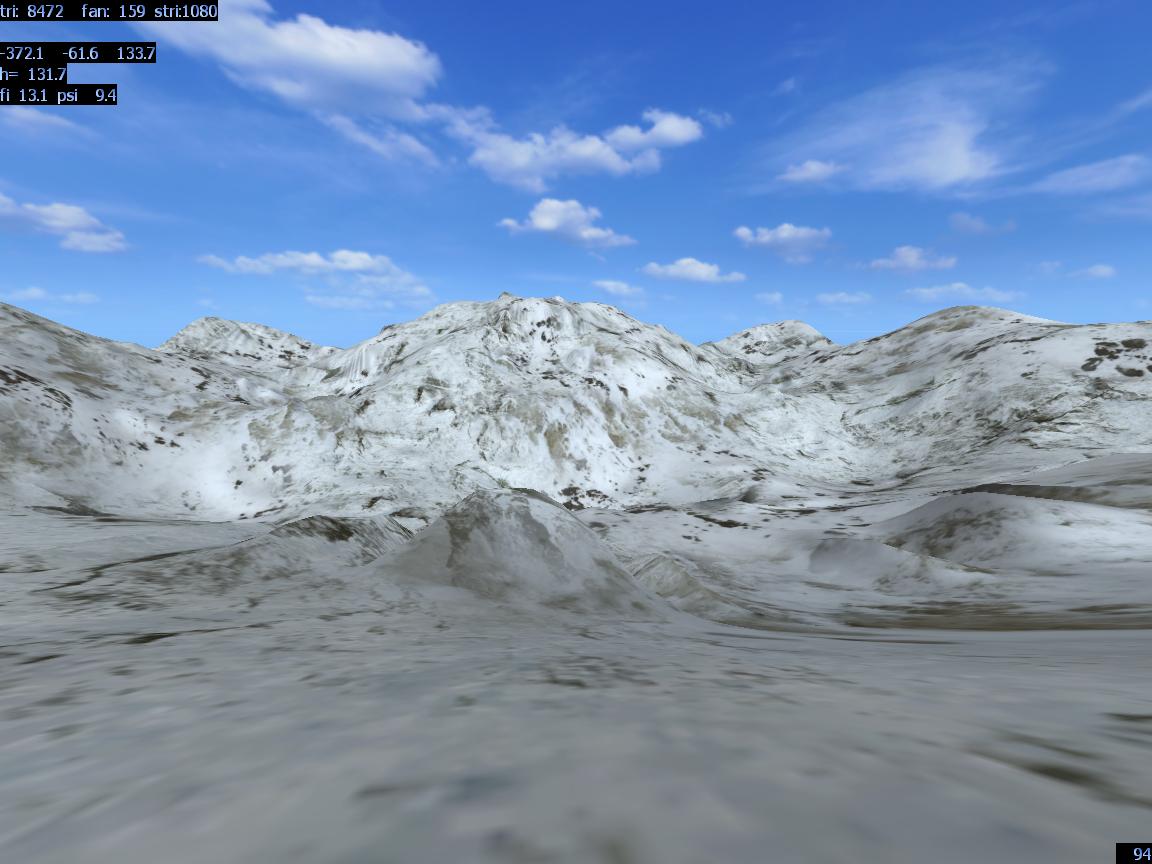
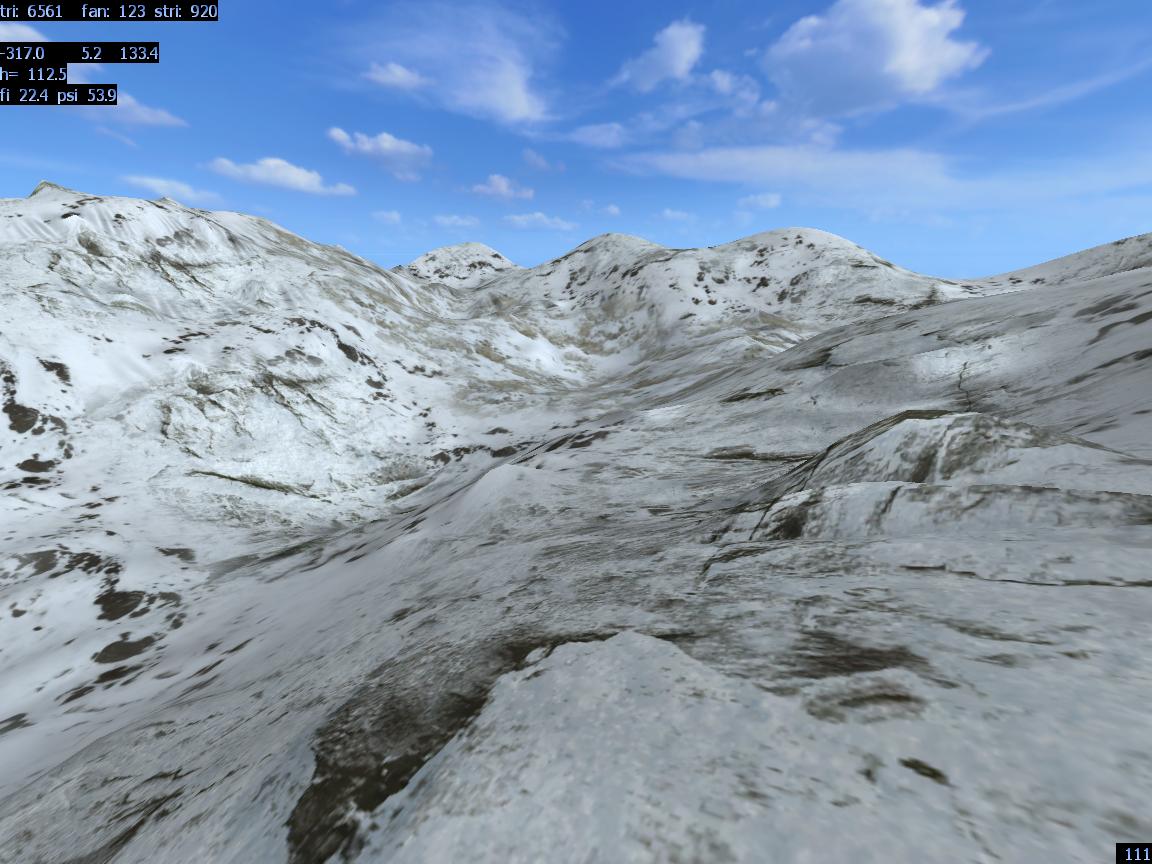
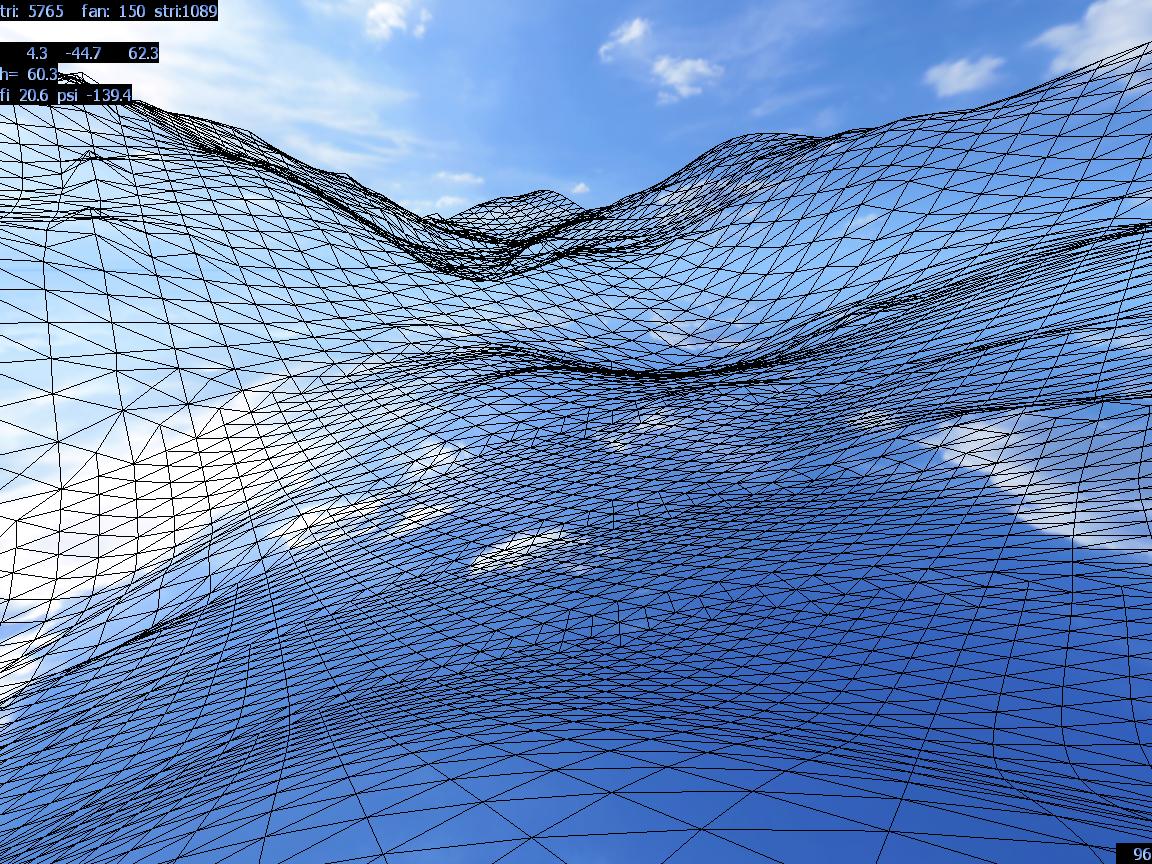
On right there is a terrain with level of detail (LOD) Geomorphing (also described here) if I remember it was CPU generated though, but had 5 levels. That was a great and complicated implementation. Terrain nowadays can also be done completely on GPU and faster.
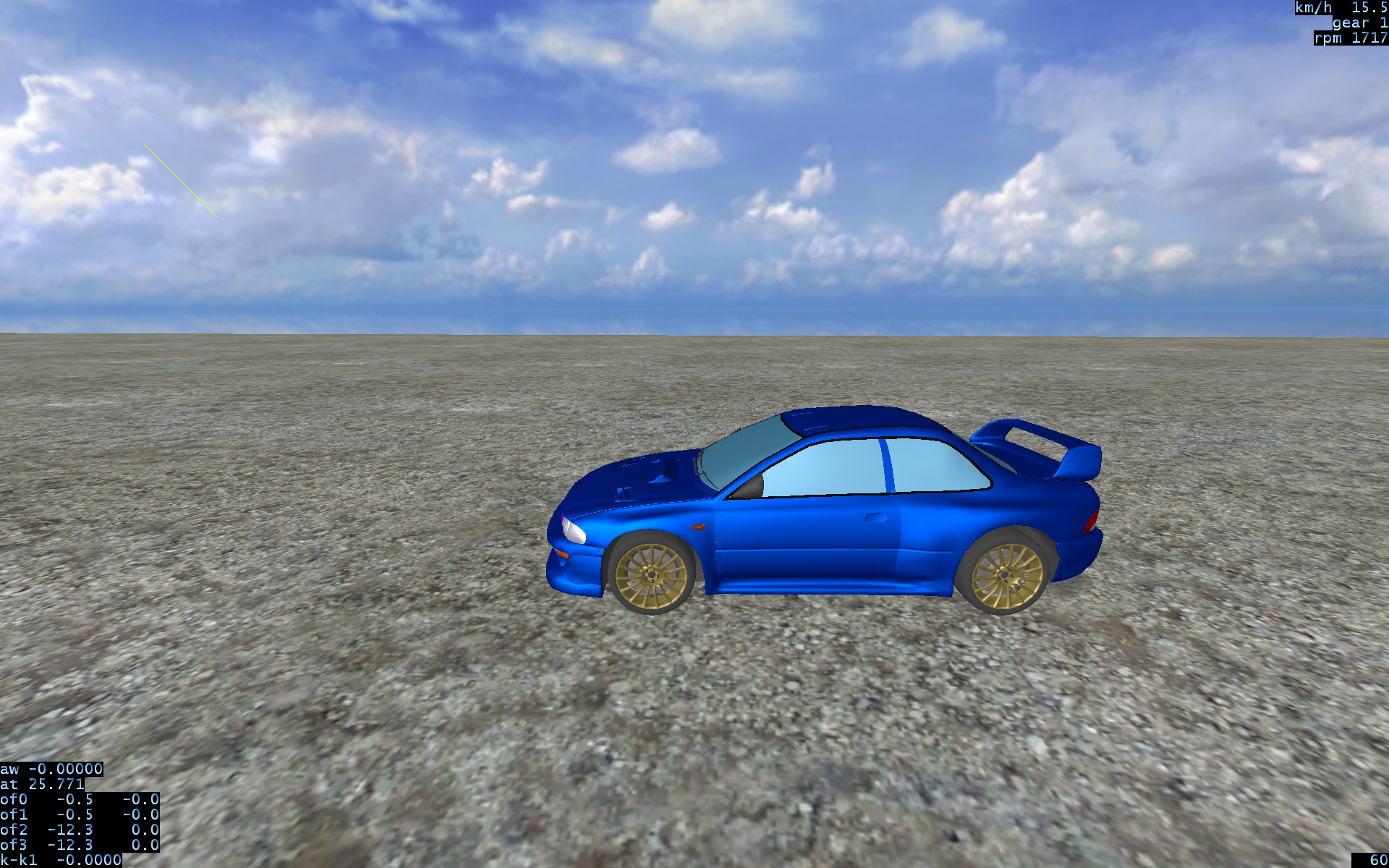
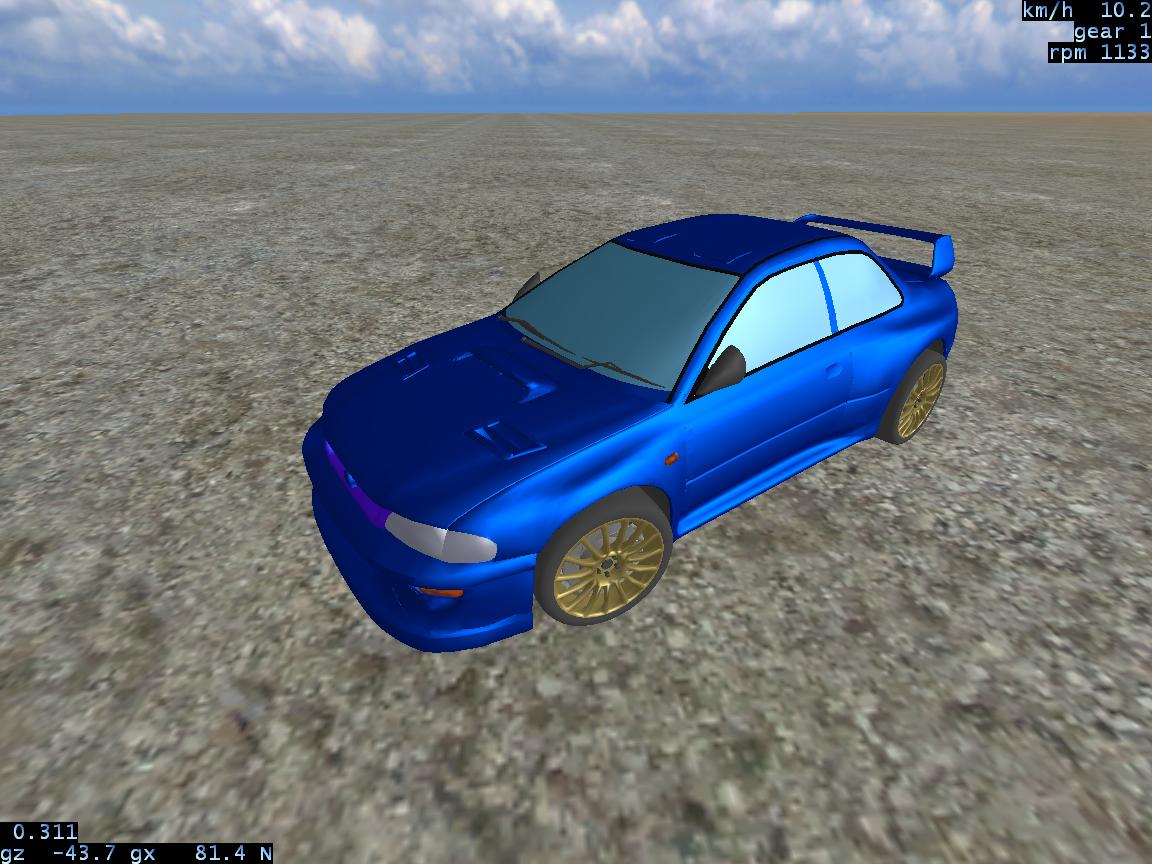
The car screenshot was someone’s 3D model, with a 2D driving code I found. I made it 3D, but only on flat ground.
➡️Conclusions
Then I started thinking and realized, I don’t want to write all 3D equations, surely not a physics system. This is when I got interested in available physics engines.
Today I would definitely recommend bullet for collision detection and simulation.
Next, I had the same thought for rendering. Writing everything using calls to Direct3D was tedious and not very practical.
By using a 3D engine, all becomes much easier and one can achieve much more with it. But I knew a guy at college, who liked the first approach, read books for it, and wrote his own engine.
Later I found OGRE 3D and started learning it.